

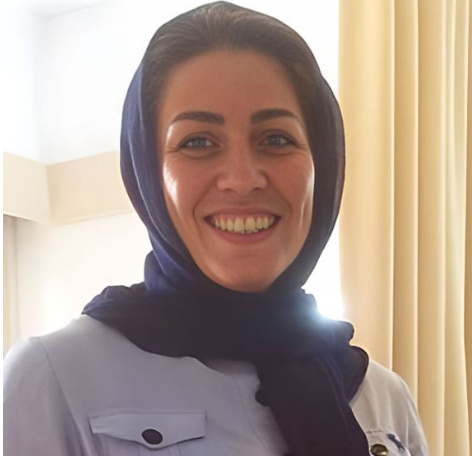
 Maryam Akbari Monfared, one of Iran’s longest-serving female political prisoners, was released on April 8, 2026, after nearly 17 years in prison without a single day of furlough. Her release marks a moment of hope for many who campaigned for her freedom. Despite suffering from multiple serious health conditions, authorities repeatedly denied her access to medical treatment outside prison.
Born on December 14, 1975, and a mother of three daughters, Maryam was arrested following the 2009 uprising. On December 29, 2009, she was summoned to Evin Prison “to provide explanations” and never returned home. In June 2010, she was sentenced to 15 years on charges of membership in the People’s Mojahedin Organization of Iran—an allegation she has consistently denied.
Her family has long faced state repression: two brothers were executed in the 1980s, and a younger brother and sister were among those killed in the 1988 prison massacres.
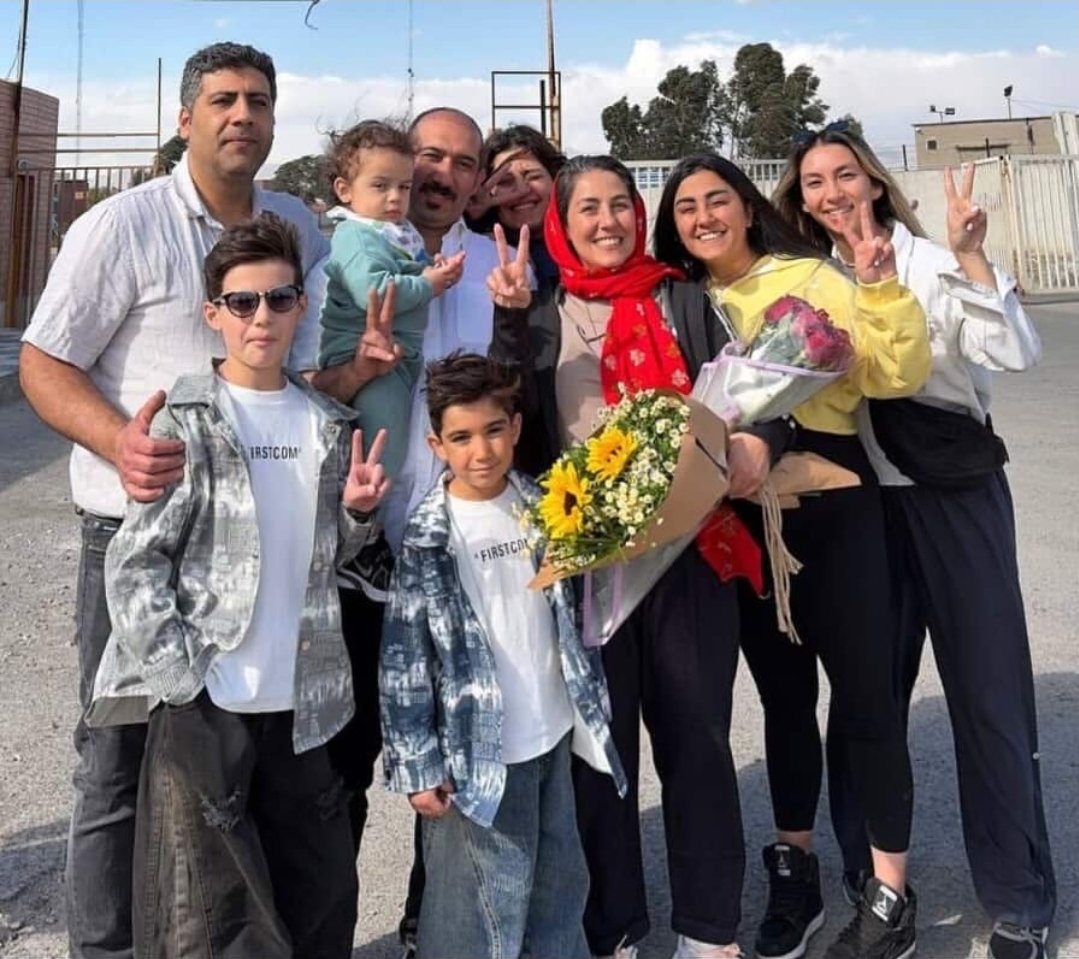
During her imprisonment, Maryam became a source of strength for fellow detainees. Authorities sought to limit her influence by transferring her to Semnan Prison in 2021 and later to Qarchak Prison in 2024, where she spent time in solitary confinement. Although she completed her sentence in October 2024, new charges extended her detention.
Maryam suffered from multiple serious health issues, including hypothyroidism and nerve-related conditions requiring urgent surgery, yet treatment was delayed.
Her endurance and eventual release highlight both the human cost of prolonged detention and the resilience of political prisoners in Iran.
