
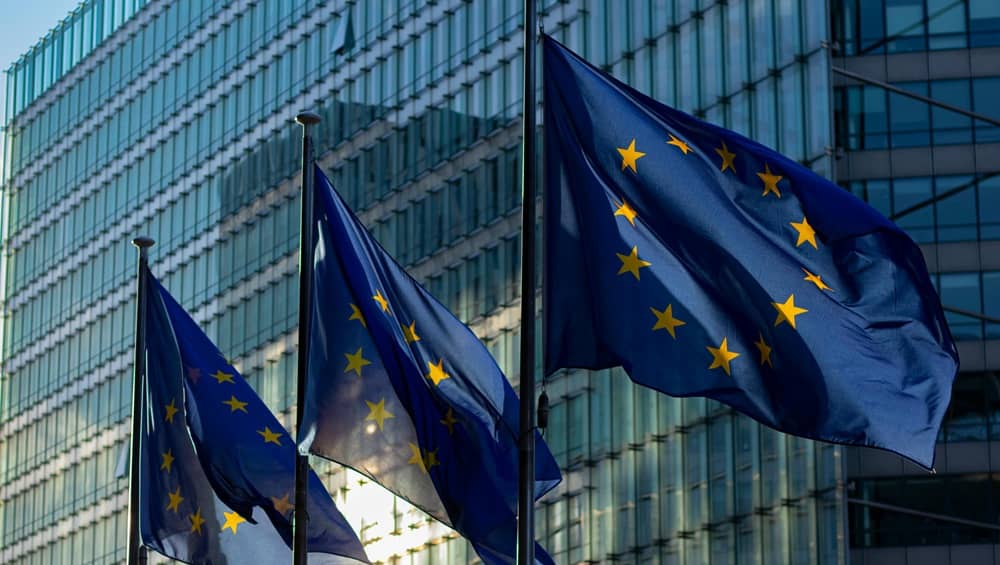
 On 29 January 2026, the European Union formally designated Iran’s Islamic Revolutionary Guard Corps, IRGC, as a terrorist organisation after a unanimous decision by all 27 member states at the Foreign Affairs Council. The move places the IRGC on the EU terrorist list alongside ISIL and Al Qaida, signalling that Europe views the Guard not as a conventional state body, but as a driver of repression and transnational violence.
The designation carries legal and financial consequences. It imposes asset freezes, travel bans, and a prohibition on providing funds or resources to the IRGC. The intention is to disrupt its ability to operate, invest, recruit, and project influence through financial and logistical networks connected to Europe. EU officials described the step as both moral and operational, aimed at applying tangible pressure to a force widely regarded as central to the Iranian regime’s internal repression and external aggression.
Inside Iran, the IRGC has long been associated with crushing dissent. During the nationwide protests of November 2019, more than 1,500 protesters were reportedly killed. In the January 2026 uprising, human rights sources described thousands more, including civilians and children, shot as security forces intensified their crackdown. Reports of torture and deaths in detention have persisted, reinforcing a pattern in which the IRGC acts as the regime’s ultimate enforcer.
Beyond security, the IRGC commands vast economic interests, dominating key sectors while benefiting from a state budget and extensive commercial holdings. Internationally, it has been linked to supporting armed groups such as Hezbollah and the Houthis, and it oversees Iran’s missile programme and elements of its nuclear related infrastructure. For many Iranians, the EU decision reflects longstanding calls to dismantle an institution they see as synonymous with repression and instability.
